
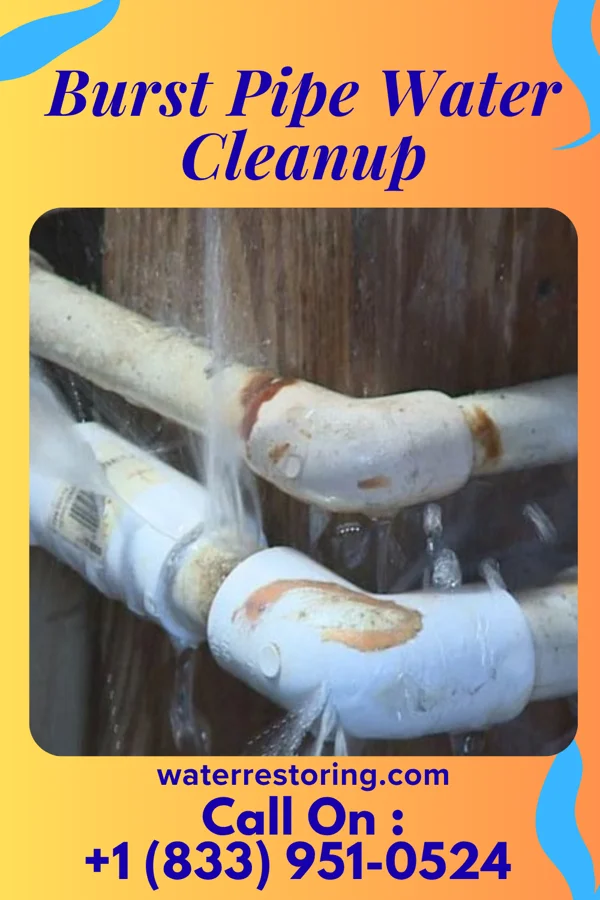
Why Burst Pipes Hit Cimarron City Hard
The pattern in Cimarron City is consistent. Cimarron City, Oklahoma, experiences a higher risk of burst pipes due to its rural setting and aging infrastructure, particularly in areas like Crescent, Twin Lakes, and Crescent Springs. The combination of fluctuating temperatures and the use of older plumbing systems in these neighborhoods increases the likelihood of sudden pipe failures during seasonal changes. drives most of the emergency restoration calls we get. A close second is The region's proximity to rural water sources and the reliance on private wells in some parts of Cimarron City can lead to inconsistent water pressure, contributing to pipe stress and potential bursts. Additionally, the lack of regular maintenance in older homes further compounds this risk..
Cimarron City's rural climate, with its cold winters and warm summers, creates a unique set of challenges for plumbing systems. The combination of extreme temperature swings and limited access to professional plumbing services in the area makes burst pipe incidents more common and harder to address quickly.
Cimarron City's rural climate, with its cold winters and warm summers, creates a unique set of challenges for plumbing systems. The combination of extreme temperature swings and limited access to professional plumbing services in the area makes burst pipe incidents more common and harder to address quickly. The dominant local driver is Cimarron City, Oklahoma, experiences a higher risk of burst pipes due to its rural setting and aging infrastructure, particularly in areas like Crescent, Twin Lakes, and Crescent Springs. The combination of fluctuating temperatures and the use of older plumbing systems in these neighborhoods increases the likelihood of sudden pipe failures during seasonal changes., with The region's proximity to rural water sources and the reliance on private wells in some parts of Cimarron City can lead to inconsistent water pressure, contributing to pipe stress and potential bursts. Additionally, the lack of regular maintenance in older homes further compounds this risk. showing up as the next most common cause. Damage builds in stages. Spread. Absorption. Microbial growth. Structural compromise. Every stage you pass through adds to the final bill.